
Hiring a basement finishing contractor helps you turn unused space into safe, comfortable square footage with fewer delays and fewer costly corrections. A qualified basement contractor manages permits, trade coordination, and inspections, ensuring the project stays organized. Professional basement finishing also improves layout, durability, and long-term resale appeal.
Why hiring a pro makes basement finishing easier
A basement finishing project feels manageable until the details pile up, including moisture planning, ventilation, electrical load, egress, and inspections. Miss one requirement, and you may face rework, schedule setbacks, or upgrades that strain your budget. That’s why many homeowners choose a pro-led approach instead of coordinating multiple trades themselves.
In this guide, you’ll learn what a contractor really does behind the scenes, how the process usually runs, and why hiring the right team often delivers a smoother build and a better result.
What hiring a contractor really covers
Finishing a basement isn’t only a cosmetic upgrade. You’re building below grade, which means you’re working in a space that behaves differently from the rest of the home. Temperature swings, humidity, and airflow all matter more, and small mistakes show up later as odors, discomfort, or damaged finishes.
A basement finishing contractor does far more than install drywall and flooring. They typically oversee planning, sequencing, trade scheduling, and quality control, while ensuring key steps happen in the right order.
This includes verifying rough-ins before walls are closed, coordinating inspections, and ensuring that final details align with the scope you agreed to. When the process runs well, you get a finished space that looks great and functions correctly, not a “pretty” basement with hidden problems.
Step-by-step process for a smooth basement project
A well-run project follows a clear order, and that order is often the difference between steady progress and constant delays. Here’s how a typical build looks when a basement contractor manages the work:
- Walkthrough and feasibility check
The contractor reviews ceiling height, mechanical locations, window placement, and any signs of moisture.
- Layout and budget alignment
Define your priorities, decide how you’ll use the space, and confirm the plan fits your budget before construction starts.
- Permits, code planning, and inspection milestones
The contractor identifies requirements that affect design early, such as egress, ventilation, and electrical needs, and then plans inspections around key phases.
- Moisture strategy before finishing
The team addresses humidity control and uses basement-appropriate materials to prevent moisture from being trapped behind finished surfaces.
- Framing and rough-ins
Electrical, plumbing, and HVAC work happens in coordination, so trades don’t compete for space or undo each other’s work.
- Drywall and finishes
Once systems pass inspections, finish work moves forward in a controlled, repeatable sequence.
- Final walkthrough and closeout
You review the space together, complete any punch-list items, and get warranty and maintenance guidance.
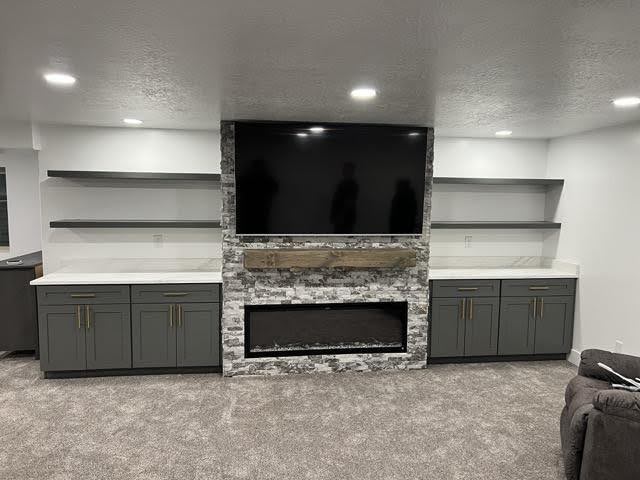
Benefits of hiring a professional
When you hire the right finishing contractor, you’re paying for more than labor. You’re paying for coordination, risk reduction, and experience that prevents expensive “do-overs.”
- Cleaner scheduling and fewer delays
Coordinating trades sounds simple until you manage conflicts, missed deliveries, and inspection timing. A contractor keeps the workflow predictable.
- Better protection against moisture issues
Moisture control is foundational in basements. FEMA guidance notes that if you don’t dry water-affected areas and items within 24–48 hours, you should assume mold growth and address it properly.
- Fewer code surprises
The biggest cost overruns often result from corrections, such as moving a wall after rough-in, upgrading electrical systems after the fact, or modifying a layout to meet egress requirements.
- Higher-quality design decisions
A basement feels dark or cramped if lighting and traffic flow are an afterthought. Contractors with basement experience plan around ceiling constraints, mechanicals, and natural light limitations.
- One point of accountability
With a single team responsible for the scope, you spend less time coordinating and more time making clear decisions.
This is where a basement finishing contractor adds real value. They don’t build; they manage the entire process so that the space is built correctly, thoroughly inspected, and finished to a consistent quality level. If you want a smoother experience, that’s also why many homeowners hire a basement contractor instead of trying to act as their own general contractor.
Common mistakes to avoid
Even well-intentioned DIY projects run into predictable problems. Avoiding these mistakes protects your timeline and budget.
One common issue is starting demolition before you understand permit requirements or inspection steps. Another is treating moisture planning as optional, then paying later when finishes fail, or odors develop.
Homeowners also often underestimate the importance of lighting, which can leave the basement feeling dim, even with new paint and flooring. Finally, the “cheap bid” problem is real: vague scopes, unclear allowances, and weak warranties often lead to change orders and disappointment.
These pitfalls are exactly why professional basement finishing often costs less in the long run than correcting preventable mistakes.
What to know before you finish:
A few data points help explain why homeowners prioritize planning and professional help:
- Resale recovery: In NAR’s 2025 Remodeling Impact materials, “Basement Conversion to Living Area” shows 71% cost recovery in the “Top Cost Recovery” list.
- Water-damage risk: The Insurance Information Institute reports that about one in 67 insured homes has a property damage claim caused by water damage or freezing.
- Mold timing: FEMA guidance emphasizes the 24 to 48-hour window for drying after flooding to minimize the risk of mold growth.
Tools and materials that help your basement hold up long-term
The best results usually come from smart “behind-the-scenes” decisions that protect comfort and durability:
- Humidity control: A properly sized dehumidifier and a plan for drainage and air movement.
- Basement-friendly materials: Finishes that can handle below-grade conditions without warping or breaking down.
- Lighting: Layered lighting (overhead plus task lighting) to avoid dark corners and shadows.
- Safety essentials: Smoke and carbon monoxide alarms, handrails where needed, and clear exit paths.
- Electrical planning: Enough outlets and circuits for how you’ll actually use the space, not what looks good on a plan.
FAQs
How long does it take to finish a basement?
Most basement projects take several weeks to a few months, depending on size, complexity, permitting timelines, and inspection scheduling. Clear decisions early, stable material selections, and organized trade coordination help prevent delays and keep the build moving smoothly.
Do I need permits to finish my basement?
Many basement projects require permits, especially when you add or modify electrical, plumbing, HVAC, bedrooms, or egress. Requirements vary by city and county. A contractor helps confirm what applies to your home and then schedules inspections at the appropriate milestones.
What should I look for when hiring a contractor?
Look for licensing and insurance, a clear written scope, a realistic schedule, and a warranty policy. Ask how they handle permits, change orders, and moisture planning. You should also request examples of prior work and confirm who will supervise the project on a day-to-day basis.
How do I reduce moisture and mold risk in a finished basement?
Start with prevention: manage humidity, address drainage issues, and choose materials suited for basements. If water intrusion happens, dry the space quickly.
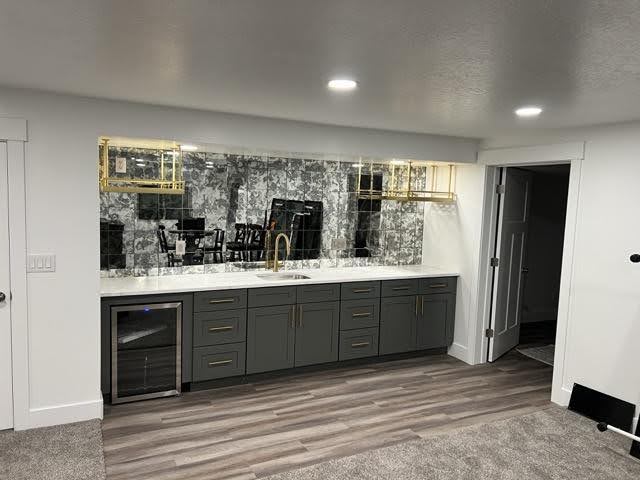
Finish your basement with confidence — Utah Basement Builders can help
Hiring the right contractor turns a complicated basement project into a predictable, well-managed build. You get better coordination, fewer surprises, and a finished space designed to hold up long after the final walkthrough.
If you want a clear plan, consistent craftsmanship, and a team that manages the process start to finish, Utah Basement Builders helps you move from concept to completion with confidence. Contact Utah Basement Builders today to schedule a consultation and get a detailed estimate for your basement finishing project.