
Adding an in-law suite to a basement is a practical way for homeowners to expand their living space or prepare for long-term caregiving needs. Converting a basement into a functioning suite requires more than choosing finishes and arranging furniture. Legal requirements are significant, and knowing them upfront helps you avoid costly mistakes, delays, and code violations.
Whether you plan to build a basement bedroom, a basement living room, or a basement guest room, Utah homeowners must comply with zoning laws, building codes, safety standards, and inspection requirements. Below is a comprehensive guide to the legal side of creating a compliant, comfortable, and long-lasting in-law suite.
Understanding what qualifies as an in-law suite
An in-law suite is typically a private living space within a home that includes essential amenities such as a sleeping area, bathroom, living area, and sometimes a small basement kitchen or kitchenette.
Legally, the definition of an in-law suite varies from city to city. Some Utah municipalities distinguish between a simple in-law suite and an accessory dwelling unit (ADU). ADUs typically require additional approvals because they function more like standalone apartments. Understanding how your city classifies your intended suite is important to the decision-making process.
Compliance is more than checking boxes. Proper permitting and construction protect your household’s safety, preserve home value, and ensure future buyers can use the suite legally.
Confirming zoning laws and local regulations
Before beginning any construction, homeowners should review the zoning laws for their city or county to determine whether an in-law suite is allowed on their property. Utah zoning maps outline where secondary living spaces or ADUs are permitted.
If you plan to add a basement guest room, zoning rules may limit the number of sleeping rooms your home can legally include. They may require additional parking for extended family members or future occupants.
Zoning requirements vary widely; reviewing them before you begin planning helps prevent costly redesigns and ensures your project moves forward smoothly.
Ensuring proper egress and safety compliance
Safety codes are among the most important legal considerations when adding an in-law suite. Utah building codes require every sleeping room to have at least one method of emergency escape. Homeowners typically meet this requirement by installing egress windows that follow strict size and accessibility standards.
For a basement, egress windows may require digging window wells, enlarging existing openings, or adding new ones. Utah code generally requires windows to open fully, sit at the correct height from the floor, and provide enough clearance for a person to exit safely.
A basement living room also needs safe exits and unobstructed pathways. While a living room may not need its own egress window, its layout must allow for clear and accessible routes to exits. If the suite has its own exterior door, that entrance must also meet fire safety standards.
Inspectors take egress seriously — and for good reason. Proper emergency exits save lives, comply with insurance requirements, and protect the homeowner from liability.
Meeting electrical, plumbing, and HVAC standards
In-law suites are often more complex than standard basement finishing projects. Electrical upgrades, plumbing modifications, and HVAC improvements almost always require permits and professional installation.
Electrical requirements
All electrical work in an in-law suite must meet current building codes, including the installation of new outlets, dedicated circuits, and lighting fixtures. If you plan to include a kitchenette, microwave, or laundry setup, you will likely need additional circuits to handle the increased load.
It’s also essential to evaluate your electrical panel to ensure it supports the added demand of the new space. An overloaded panel creates safety hazards, so assessing its capacity early helps prevent disruptions and ensures the electrical system operates safely and efficiently.
Plumbing requirements
When building a basement bedroom or guest room, adding a bathroom requires proper permits for drainage, venting, and supply lines, all of which must meet local building codes. Basements sit below the home’s main plumbing lines and often need a sewage ejector pump to move waste.
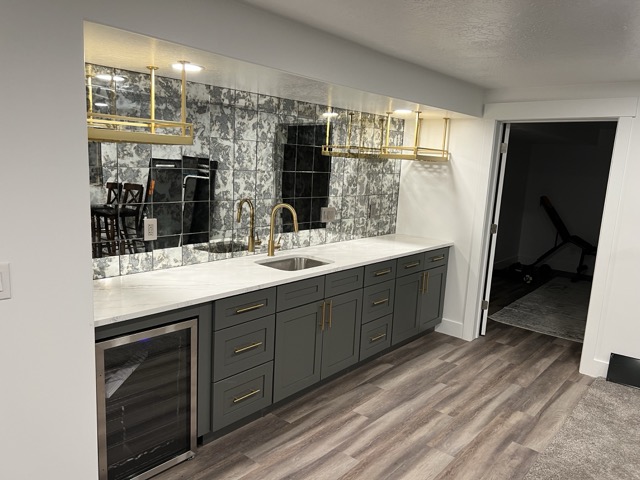
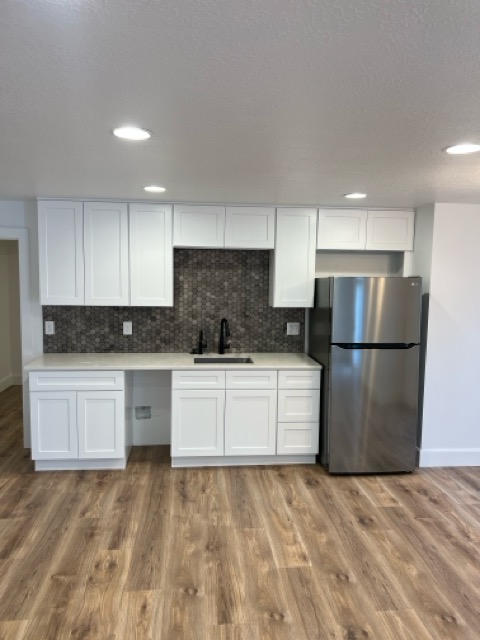
Even if you only plan to add a small kitchenette, you must install its plumbing to code and connect every line correctly to ensure the system performs safely and reliably. Proper installation helps prevent leaks, backups, and drainage problems, and it also provides the space to pass inspections without costly corrections later.
HVAC requirements
Proper airflow is essential to keep the basement living room and sleeping areas comfortable year-round. Because Utah basements are more prone to moisture and temperature fluctuations, you must design the HVAC system to prevent condensation, drafts, and poor air circulation. Adding new ductwork, vents, or even a mini-split system may be required.
Failing to meet mechanical codes leads to failed inspections or health issues for anyone occupying the suite.
Following insulation, soundproofing, and fire-rated material requirements
Legal requirements extend beyond structural safety, as many Utah cities mandate specific insulation levels, fire-rated drywall, and soundproofing measures for in-law suites located beneath the primary living space. These standards often apply to ceilings, entrances, shared walls, and foundation walls, where materials must offer both fire resistance and moisture protection.
These upgrades are important when building a basement guest room or bedroom, as noise control and fire separation directly impact comfort and safety. Proper insulation also helps regulate temperature, reduce sound transfer, and improve the overall feel of the finished space.
Access, entrances, and parking considerations
Access is a major legal factor to consider, especially if the in-law suite will have a separate entrance. While you don’t need a private entrance for every suite, adding one gives family members or guests greater independence and privacy.
Utah cities often regulate the placement of new exterior doors, stairways, or walkouts, as well as the installation process. Some municipalities also limit the number of dwelling entrances on your home and require you to provide additional parking when you create a secondary suite.
If your design includes a basement living room with direct outdoor access, you may need to follow specific setback rules and ensure that any exterior changes meet local design and safety codes. Parking requirements vary widely across Utah, and some cities require homeowners to provide an extra parking space for a secondary suite, even if it is intended for family use only.
Obtaining the correct permits and inspections
You must obtain permits for most in-law suite projects — especially those involving electrical, plumbing, framing, or major layout changes. Building without permits leads to fines, forced demolition, insurance disputes, and complications when selling your home.
The permitting process includes:
- Submitting architectural plans
- Obtaining approvals for electrical, plumbing, mechanical, and structural work
- Scheduling periodic inspections
- Receiving final approval after all work meets code
Inspectors will pay close attention to these elements when building a basement bedroom, a basement living room, or a basement guest room to ensure they meet all safety and accessibility standards.
Working with a licensed contractor
While some homeowners consider DIY options, hiring a licensed, insured contractor is the safest and most legally sound decision. Contractors familiar with Utah’s building codes can guide homeowners through zoning requirements, design challenges, and the complex permitting process.
Experienced basement specialists also help ensure that every element — from egress to plumbing to fire safety — is built to pass inspection on the first attempt. A professional team reduces stress, prevents costly errors, and keeps your project on schedule.
Final tips from Utah Basement Builders
Building an in-law suite is a rewarding investment, but it comes with important legal responsibilities. Whether your design features a basement bedroom, a basement living room, or a basement guest room, careful planning ensures the space is safe, comfortable, and fully compliant with Utah requirements.
For a smooth, stress-free experience, contact Utah Basement Builders to guide you through every step — from permitting and design to construction and final inspection. Our team understands local laws, handles all code requirements, and delivers high-quality basement spaces built to last. Reach out today to start creating a compliant, comfortable in-law suite that adds long-term value to your home.